



Our Music Video:
The Kooks - Always Where I Need To Be
By including these conventions, technical and symbolic, of Indie Rock genres, then my music video is specific to a target audience and therefore would be more successful as it adheres to the conventions.
How all three Products Work Together:
The Music Video has earthy aspects and is set in the woods, this is similar to the Digipack, as it has aspects of the band and trees. The Digipack also has a still from the video which makes a direct relation and link to the Music Video. The Digipack relates to the Website as they both have blank space which is a technical convention of the Indie Rock Genre. All products are linked and are simple yet intriguing.
Models
of Audience

- Over the years, a large number of academics have attempted to understand the ways in which audiences interact with the media they consume
- Three general models have dominated this research
How did you gather your audience feedback? What methods did you use? Present you stats, feedback from questionnaire and focus groups

- YouTube
- Freeonlinesurveys.com (closed questions)
- Focus Groups (open questions)
Defining
the Audience
- It is useful for institutions and academics to be able to build up detailed accounts of how audiences are constructed
- Rather than seeing audience as masses or in simple numerical terms, it is common practice to find ways of segmenting the audience
- This segmentation can be achieved both demographically and psychographically
Demographic
= JICNARS

Psychographic
= VALS


Applying
Audience Theory
- Look at who your target audience was
- How did you profile your audience?
- Which VALS did specify for your audience
- Did you have a primary and secondary market – how did your production target consumers/ youth culture? (cartoons or animated children films – primary audience kids – secondary audience parents who take kids to cinema)
Demographic
segmentation

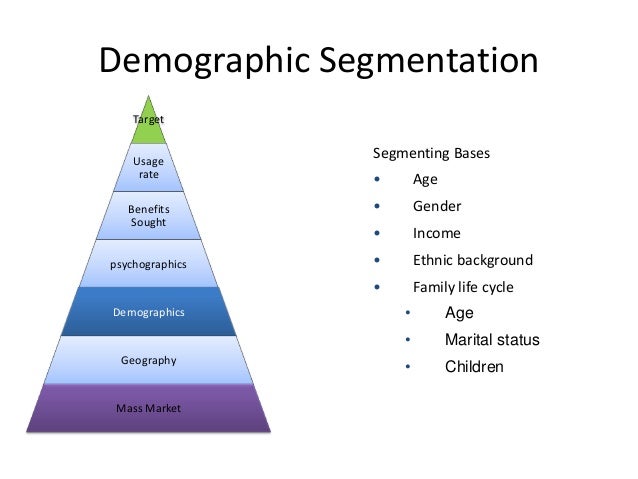
- This is where an audience is segmented according to various significant social criteria eg gender, class, race, sexuality
- One of the most common demographic approachers to audience involves the JICNARS scale
- JICNARS – scale based on employment
We used demographic segmentation, as we found our target audience through age and gender. Our target audience was Girls of 15 years + and our secondary target audience was Boys of 17 year +. Therefore our audience feedback, using the focus group, was Demographic as we had a specific group of people. This was effective as we approached our target audience and asked them specific open questions which allowed us to make specific changes.
Psychographic
Segmentation
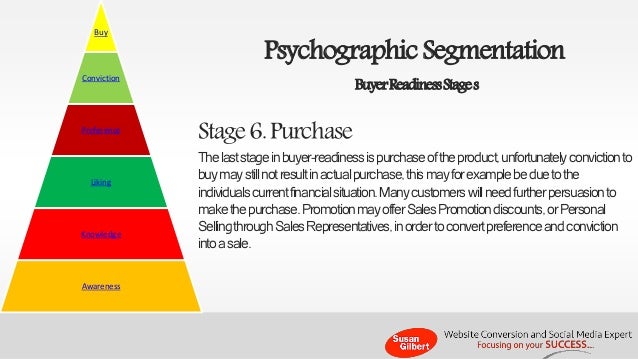
We used Psychographic Segmentation when taking audience feedback as we created a closed questioned online survey that was open to anyone who wants to take the survey. This means our audience will be a range of people who have various attitudes, beliefs, values etc.
We used Psychographic Segmentation when taking audience feedback as we created a closed questioned online survey that was open to anyone who wants to take the survey. This means our audience will be a range of people who have various attitudes, beliefs, values etc.
- Also known as lifestyle profiling
Combines a psychological profile of the consumer, with ideas about how they conducted their life in the market place
- The various attitudes, values, beliefs, and 'lifestyle' choices are sorted into a number of distinctive categories which are sorted into a number of distinctive categories which are used to predict consumption. VALS, the Values Attitudes and Lifestyles classification system is best known of the psychographic profiling systems
- 2 kinds of VALS – VALS and Teen VALSYounger audiences would be more attracted to our band as they are a similar age to the band. They feel as though they can relate to the band as they are going through the same things as each other. The stages of rebellion.
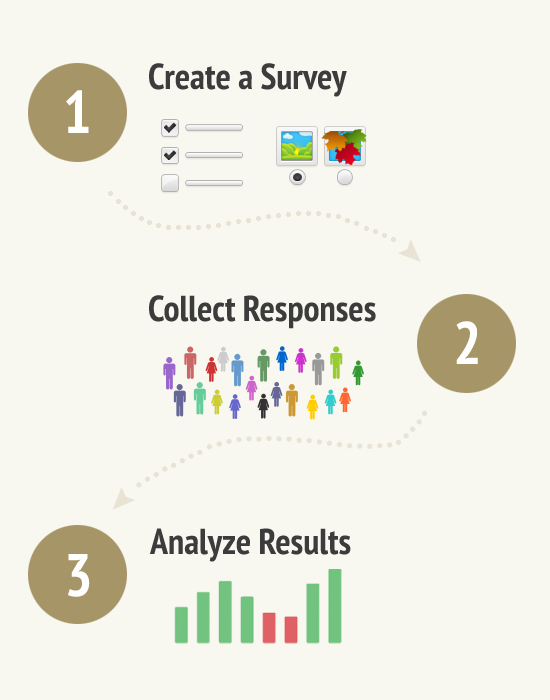
The disadvantage of using the online survey is that it is not person specific, which means we are not able to tell who was giving us the information therefore we could not use our demographic audience feedback. However, this is why we used a focus group, which allowed us to have specific examples.
What strengths and weaknesses did the feedback indicate in your music video? Refer to specific examples and illustrate these.
There were mainly strengths when receiving feedback for our music video as our target audience really enjoyed all aspects of the music video. Specifically they liked how the woods sequences were different and engaging. As well as portraying the boys as down to earth fun guys, which is why the target audience felt compelled and interested. Another aspect that the target audience liked was the projections. They said this was mainly because it was interesting to watch ad kept them interested. This shows that our audience rejects the effects model and adheres to the uses and gratifications theory. Some weaknesses of the feedback is that they had comments about the filming for the music video. Such as the unsteady camera at the start etc. We tried to fix these things however, we were unable to go back and film more of the video as we were already in the stages of post-production.
The
Effects Model
- Derives from an early piece of audience research – the Payne Fun Studies
- Implies that audiences are passive recipient of the meanings and values of a text
- Meanings swallowed whole by innocent 'victims' that may become corrupted or depraved
- Also known as the 'hypodermic needle effect'
- Also implied:
- Media effects are cumulative
- Media effects are long term
- Media effects are revealed through both attitudes and behaviour
Explain the encoding/ decoding model in relation to your audience feedback, Provide examples
Encoding-Decoding Model
Encoding-Decoding Model
- Derives from the wok of Stuart Hall at the BCCCS
- A theoretical model, which is based upon the notion that the audience do not act as a 'mass', but rather as a collection of smaller groups defined by social and ideological elements
- Every media text is encoded with a message
- The media industries encode their texts and we decode that text
- Gathered together based on our values, upbringing etc.
- Media texts are 'encoded' (both consciously and unconsciously) with the values of their producers – generally white, middle-class, men
- However, the audience is not made up exclusively of these groups and different groups are likely to 'read' the text in different ways
- This 'decoding' process has 3 possible outcomes:
- A preferred reading
- audience accepts all of the intended meanings
- A negotiated reading
- accepts some of the meaning but not all, may involve contradictions
- An oppositional reading
- understand what text's intended meaning is but rejects this meaning
 Our target audience would understand the media texts as they are made to appeal to them and what they like, what colours they are most attracted to and what keeps them interested. However, if a person from outside of the target audience were to look at our media texts they would decode the texts negatively as they were not encoded for them specifically.
Reception Theory (exact opposite of the effects model)
- Stuart Hall argues that audiences can:
- Decode the media message in intelligent and engaging ways
- Decoding the message relies upon
- Oppositional negotiated and preferred readings
- Audiences are therefore acting in reading texts
Apply the uses and gratification theory to your responses – which are the most applicable points?
The
Uses and Gratifications Model
- Derives from research carried out in the 1950's – the Personal Influence study by Lazarfeld, Blumler and Katz
- Audiences are far from passive in their approach to the media; rather they actively choose and consume the media to satisfy particular needs and gratifications which they exhibit
- developing due to the proliferation of technology
 Two approaches are
useful here:
Two approaches are
useful here:
Uses
and Gratifications
- Diversion – a form of escape or emotional release from everyday pressure
- Personal Relationships – companionship via media personalities and characters, and sociability through discussion about the media artefact with other people
- Personal identity – the ability to compare one's life with the characters and situations within the media, and so explore personal problems and perspectives
- Surveillance – a supply of information about what is going on in the world
Maslow's
Hierarchy of Needs
- Self- Actualisation
- Esteem
- Social
- Safety
- Physiological
Examples
of the Uses and Gratifications
Diversion:
Escapism from
mundane existence, purely for entertainment
- Action films
- music
- tv
- personalities
Personal
Relationships:
To experience
companionship with characters or with other members of audience
through shared interest in media texts
- news
- Romance films
- social media
Personal identity:
To identify with
characters and situations and thereby make sense of one's own life
and views
- Music
- Romance films
Surveillance:
A supply of
information about what is going on in the world.
- News
- Drama films
For our media texts, specifically the music video our audience would be through personal identity and personal relationships. We created a fun indie music video for our band so that they would be able to feel close to the band and relate to them in different ways.
In what ways did your audience feedback on your video illustrate this model in action?
Through using focus groups we were able to use the uses and gratifications model to get more accurate and specific information. We used different theories, such as the star image theory to construct our band and then showed to the audiences.
Star
Theory
- Richard Dyer's Star Image
 Star images are
constructed, artificial images, created through a range of products.
Stars are produced and consumed on the strengths of their
'meanings'. Very often a star's meaning is very clear and obvious so
that it is easy for an audience to quickly understand and make a
decision whether to consume. The industry creates a range off stars
with different meanings to meet the needs of different audience
segments
Star images are
constructed, artificial images, created through a range of products.
Stars are produced and consumed on the strengths of their
'meanings'. Very often a star's meaning is very clear and obvious so
that it is easy for an audience to quickly understand and make a
decision whether to consume. The industry creates a range off stars
with different meanings to meet the needs of different audience
segments- Lady Gaga=? Adele=?
- “Stars are commodities produced and consumed on the strength of their meanings”
- Focuses under Richard Negus – synthetic and organic
Spreadability
- Henry Jenkins theory from his book Spreadable Media: Creating Value in a Network Culture published in 2013
- Rejects the notion of 'viral', self-replicating media
- Sees the act of spreading content as the active not passive
- Believes that audience play crucial role in the dissemination of media products in the online age - “if it doest spread, its dead”
- Circulation in contrast to (top down) distribution
- Believes that sharing is an act of participation
- That this act leads on to deeper levels of participation, the initial sharing can also be described as 'preparing to participate' [more fully]
- Jason Mittell developed the complementary notion of 'drillability'
- Describes media products which provide audiences with deeper layers of engagement, not just designed to attract maximum number of viewers but to retain audience for longer, in more meaningful/engaging ways.

This is my Evaluation Task 3, where I talk about the audience feedback and how it has helped my music campaign improve and make them better. I used emaze, to present my feedback and response to the feedback. Please click on the link to see the presentation in full screen.
Link to Presentation:
https://www.emaze.com/@AFZTOWTT/evaluation-question3
Link to Presentation:
https://www.emaze.com/@AFZTOWTT/evaluation-question3
We created a survey, where we put attached close, yes or no question and sent it to our target audience. We also recorded ourselves making the video and writing in the questions
We received a lot of positive feedback about both products from our teacher, however we still need a certain additions that will help our products look more professional and will appeal more to the target audience.
For the Website:
We needed to change the barcode so that it would be easier for the audience to access the album.
We also decided to
For the Website:
- Put social media links on homepage
- Add more to the biography (About Us)
- Change "Discography" image
- Change the photo of ALec near basic info to a picture of the band
- Add prices on iTunes
- Add Backstage photo to gallery
- Put the Music video at the top of the website
- Contact -> Fans get in touch
- Merchandise

We needed to change the barcode so that it would be easier for the audience to access the album.
We also decided to
- Add the legal information to the back cover
- Flip the barcode so that it is the right way round
- Need to add an album name under the band's name
- Change the layout of the songs so they are in two columns
We did a photo shoot with all the band members with a very simple background and simple costumes.
We did this as a back up to use and edit for the website.
We took group photos as well as individual photos:

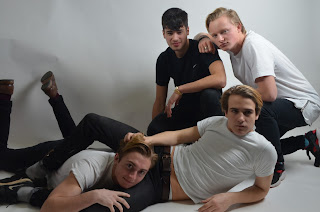


We did this as a back up to use and edit for the website.
We took group photos as well as individual photos:


It is important for our band had chemistry on the day of the PhotoShoot


 We showed our band a rough cut of the music video after the photoshoot. This was an important aspect of the editing and refining process. The band loved the rough cut and are very happy with the rough cut and the final product in the end


 We showed our band a rough cut of the music video after the photoshoot. This was an important aspect of the editing and refining process. The band loved the rough cut and are very happy with the rough cut and the final product in the end
Sasha emailed the band that we selected to do a photo shoot. Although we already have a design for our digipack we want to have a photo shoot so that we have enough pictures of the band to play with and put on the Website.
Our photographer is Grace Phelps, who is willingly going to be taking the photos and will be giving them to us for free. She is a very good photographer and is doing A Level photography

Our photographer is Grace Phelps, who is willingly going to be taking the photos and will be giving them to us for free. She is a very good photographer and is doing A Level photography

We asked a few open and closed questions to a group of AS media students
DO YOU LIKE THE COSTUMES?
- Yes, particularly the fur
- Yeah they worked for their age
- Yeah they look vintage and fits the song
- Yes, they all work very well and fit the song
- Costumes are good and show their friendships and team spirit
- Yes I think they fit the woods and fit genre of music
- Yes
- Yes, they suited the characters really well
- Yes
- I like the costumes as they're different and colourful
- Yes
IS IT OBVIOUS WHO THE LEAD IS?
- Yeah
- Yes, he was shown a lot
- Yeah
- Yes, it is shown really well throughout
- Yeah
- Yes
- Yes
- Yes
- Yes
- Yes
- Yes
DO YOU THINK THERE WAS ENOUGH VARIETY WITH THE SETS?
- Yes, especially with the projections
- Yes, the contrast was good
- Yes, I think the sets were great
- Yes, there is enough variety
- Yes
- Yes, I think the sets were perfect
- Yes
- Yes, and the use of projections made it really exciting
- Yes, I liked the shots in the woods and how they linked to the projections (girl in the woods)
- Ys, I like the contrast of using the woods and the study
- Yes
DID YOU GET BORED?
- No
- No
- Nope
- No as there is a lot going on
- No
- No!
- No
- No, wanted to watch more!
- No
- No
- No
DID THE BAND PORTRAY THEIR CHARACTERS SUCCESSFULLY?
- Yes
- Yes, they were all childish which worked well
- Yes, especially Charlie
- Yeah, they all suited they characters very well
- Yes
- Yeah, they are all friends which is nice
- Yes
- Yes, really well. I liked the close ups of them playing their instruments
- Yes
- Yes
- Yes
WHAT WAS YOUR FAVOURITE ELEMENT OF THE VIDEO?
- Jonty’s drums
- When they were running around in the woods
- Their friendships
- The woods!
- The woods were amazing
- Them having fun in the woods
- The projections
- The band in the woods
- The funny moments in the woods
- When they were playing in the woods
- The projection of the girl on the t-shirt
IS THE NARRATIVE CLEAR?
- Yes
- Yes
- Yes - the lost boys
- Yes, they’re lost boys
- Yes
- Yes
- Yes
- Yes, the lost boys
- Yes, but not entirely
- Yes
- Yes
DO YOU LIKE THE OVERLAP IN EDITING AT THE BEGINNING?
- Yes
- Yes
- It worked
- Yes, all the editing was very well done
- Yes, very interesting
- Yes
- Yes
- Yes
- Yes
- I love the editing at the beginning, I think it is one of the strongest bits of the music video
- Yes
DID YOU LIKE THE PACE OF EDITING? WHY?
- Yes, it was very dynamic
- Yes because it worked well with the pace of the song
- Yes because it fit the song
- The pace was shown well and there was a good build up
- Yes, it fit the song’s pace well
- Yes, it fit the song really well
- Yes it worked with the slow and fast bits of the song
- Yes, really exciting
- Yes, it showed equal variety of all the sets
- Yes, as it’s fast and different from other music videos, and pace varied so it’s good you showed experimentation
- Yes, because it fit in with the pace of the song
DO YOU THINK WE SHOULD USE MORE OF THE GIRL? WHY?
- No, it was a good amount
- Yes, sometime it wasn't clear
- Yes because I liked Charlie’s kiss so there should have been more of her
- Yes, it wasn't clear enough but it was still effective
- No, you don't need more of the girl
- No, because it’s all about the boys and not her
- Yes, because it was a bit random when she kissed the guy on the cheek
- Maybe a little bit more because it would attract a larger audience
- I think there was a good amount of the girl
- No, it is a boy band so leave it as it is
- Yes, because when the girl kissed the guy on the ch
Learning about what kind of questions we should be asking our feedback group
It is important to use both open and closed questions.
We will be asking an AS group of media students to watch our Rough cut and give us feedback
Closed:
- An option or an answer that can be predicted
- useful in term of gathering a mass amount of information
- used for graps, charts etc
- easier to ask a group
Open:
- Needs explanation
- Allows for discussion
- Detailed
- Personal
Deciding between 3-5 closed and open questions...
CLOSED:
- Is it obvious who the lead of the band is?
- Did you get bored at any point?
- Do you like the overlapping shot in the beginning?
- What was the genre of the video?
- Did you like the video?
OPEN:
- Do you understand the narrative?
- Do you think we have used enough variety in the video?
- Did the band portray their characters successfully?
- What was your favourite element in the video?
- Did you like the pace of the video?
- Do you think we should have used more shots of the girl?
- What did you like about the video?
We made a rough cut of our music video so that we can watch it and identify what needs to be improved for the final cut.
To edit our music video we used Adobe Premiere Pro CC.

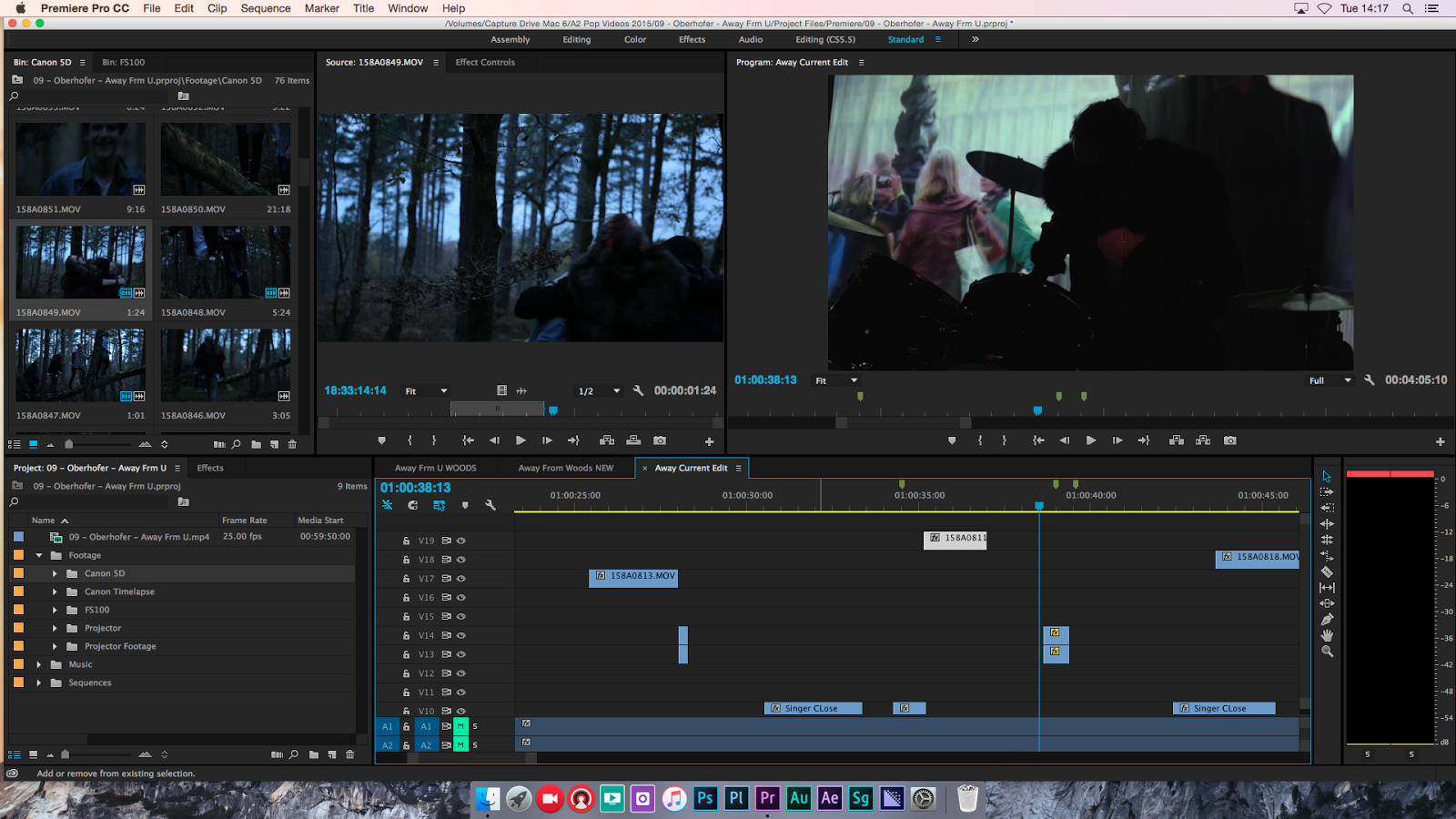
To edit the whole music video we started by getting all of our footage in the studio in sync with the song. First we had to look at our footage and see what we had to work with, this is important to do so that we know what shots we have and how we can put them together. My group and I decided that we wanted a majority of the shots however we found some of the shots in the woods were too dark so we chose not to use those.

We named our shots so that we knew which shot was where, this helped speed up the process of editing. We labelled mostly the studio shots, such as projections wide, bass close up, bass mid etc.
The timeline was useful because to edit the whole music video we started by getting all of our footage in the studio in sync with the song. We first started with the black studio and then we synced the projections. The timeline allowed us to cut and edit the footage with the cut tool. The footage from the woods was not synced so we cut those bits and put them on top of the already edited projection stuff. The music track was the first thing we added on to the timeline so that we made sure all the lip sync footage was synced with song.


We used two different types of cameras SONY FX 100 and Canon 5D so we had two different bins where we had our rushes. The SONY camera had our studio shots, which was then projected on to the tents in the woods, which was filmed with the canon 5D. It was good that we used both cameras because they both had very good resolution. You cant tell the difference between the two cameras.
We used markers to know when we wanted to cut the shot, so that the editing was in time and on the beat. We were also able to change the colour of the markers to distinguish which marker we wanted to have.

None of our shots were cropped because we thought everything needed to look the same.
We used the cutting tool, blade, to cut and edit the footage and we used the slip tool to have a specific edit look where it looks as if it is cut and edited in a certain way.
We used 2 different layers, the first was the projections in the studio, which we edited and cut as a whole video and then we put the woods on the top to add a different element to the video.
I found putting the woods footage on top of the already edited projections quite difficult because i wanted to have the woods and the boys in the woods to be revealed throughout the video however the footage was not great and there was not much of it where the boys were not in it. This meant I had to use the end of shots where the boys left the shot or seconds where they don't appear. I also found giving the woods footage a narrative quite difficult because it had to make sense for the audience however we didn't film a specific narrative so it all had to be put together and made up in post.
The edit of my thriller was different to the music video because the thriller had a definite narrative that we knew we wanted to convey, however the music video was much harder to work with because there were so many different things we could do with it.
 I'm quite happy with our final edit because it conveys a great image of the band and makes them look like a real indie rock band. If I could do it again I would make sure that I had all the footage of the woods arranged and make a new draft with the woods.
I think our concept did change but it still worked out pretty well. Initially we wanted the woods to be our main element and the projections in the studio would be a back up and then put in the projections on the tents in the woods. However i think it probably looks better now because its more interesting to watch. There are 3 different elements that will keep the audience interested and want to see more.


